


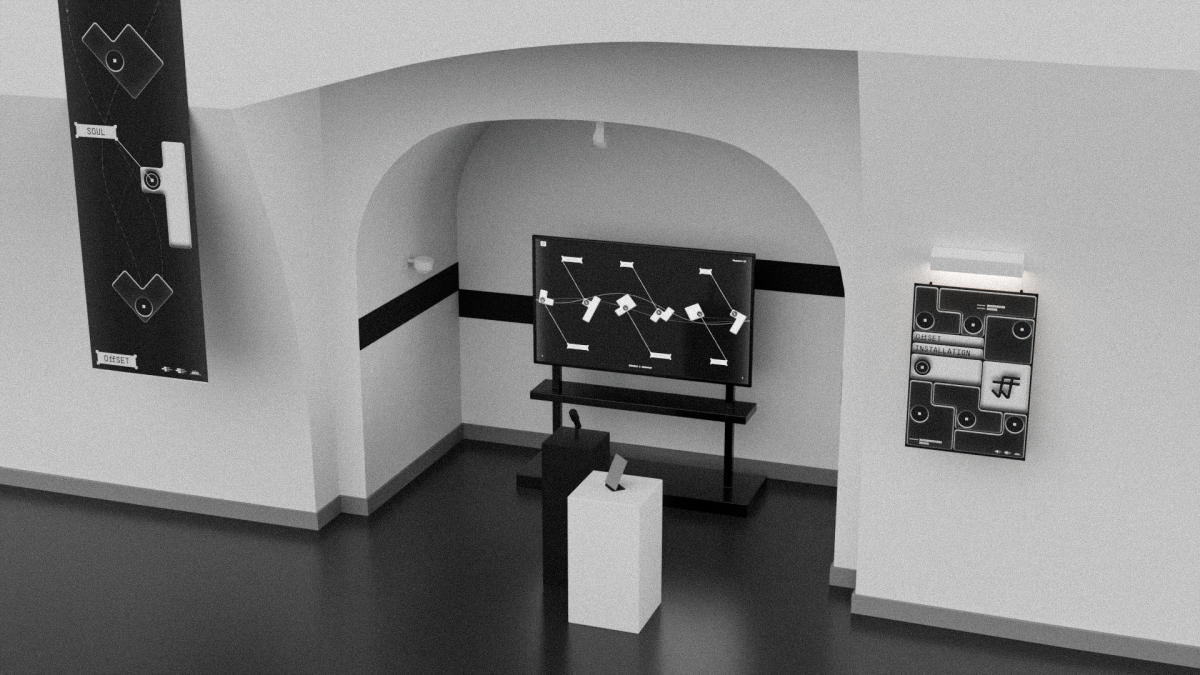
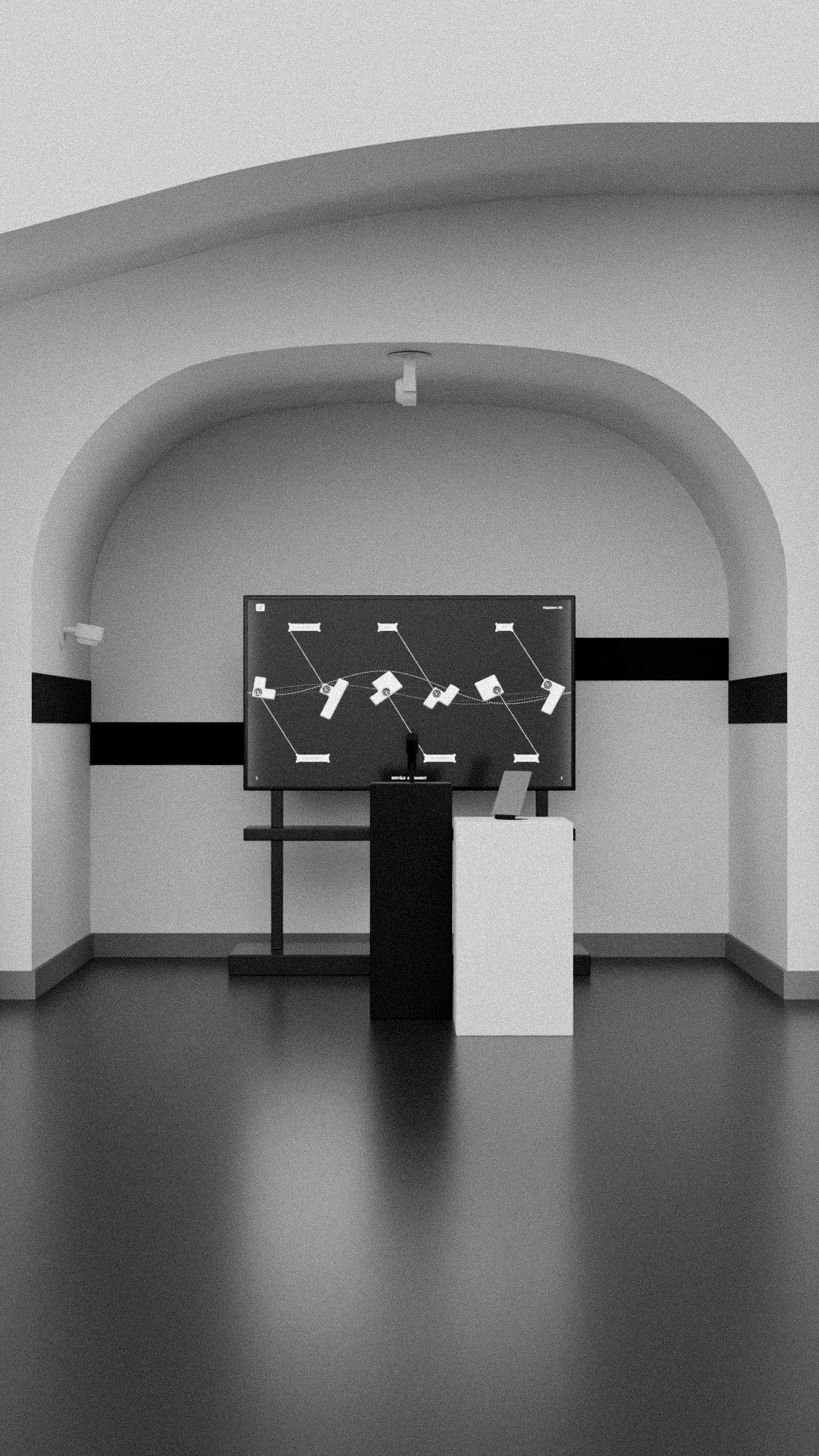
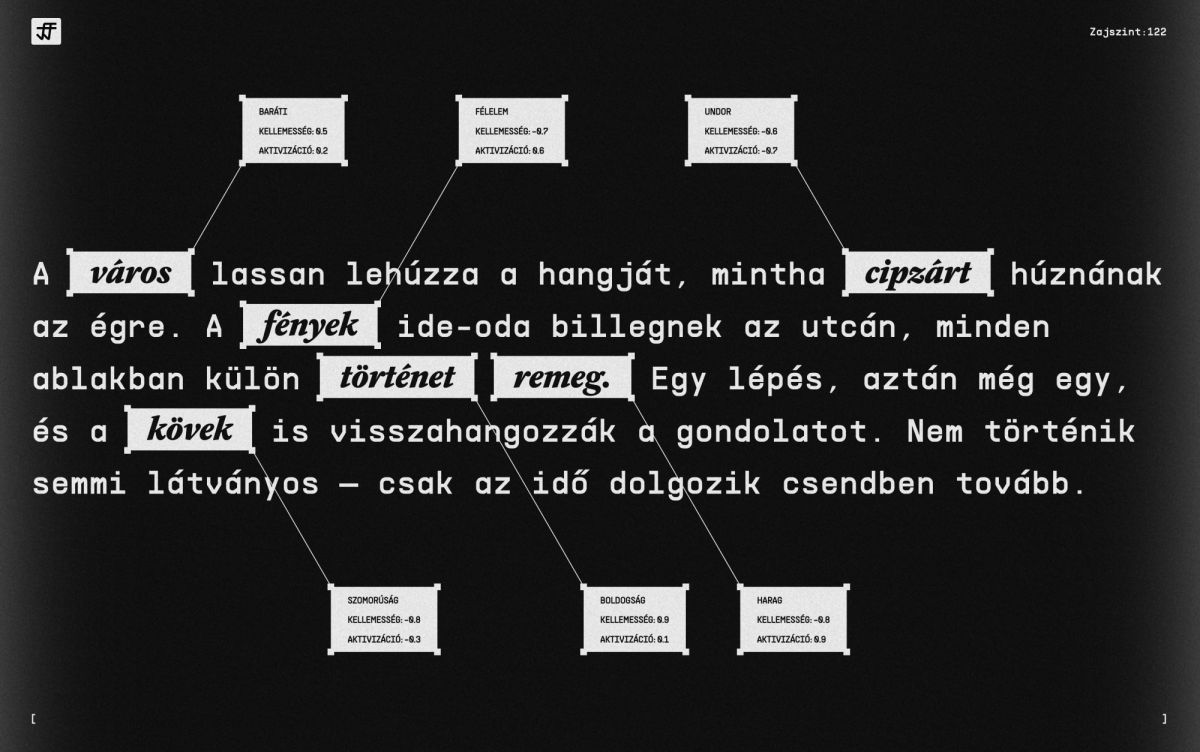
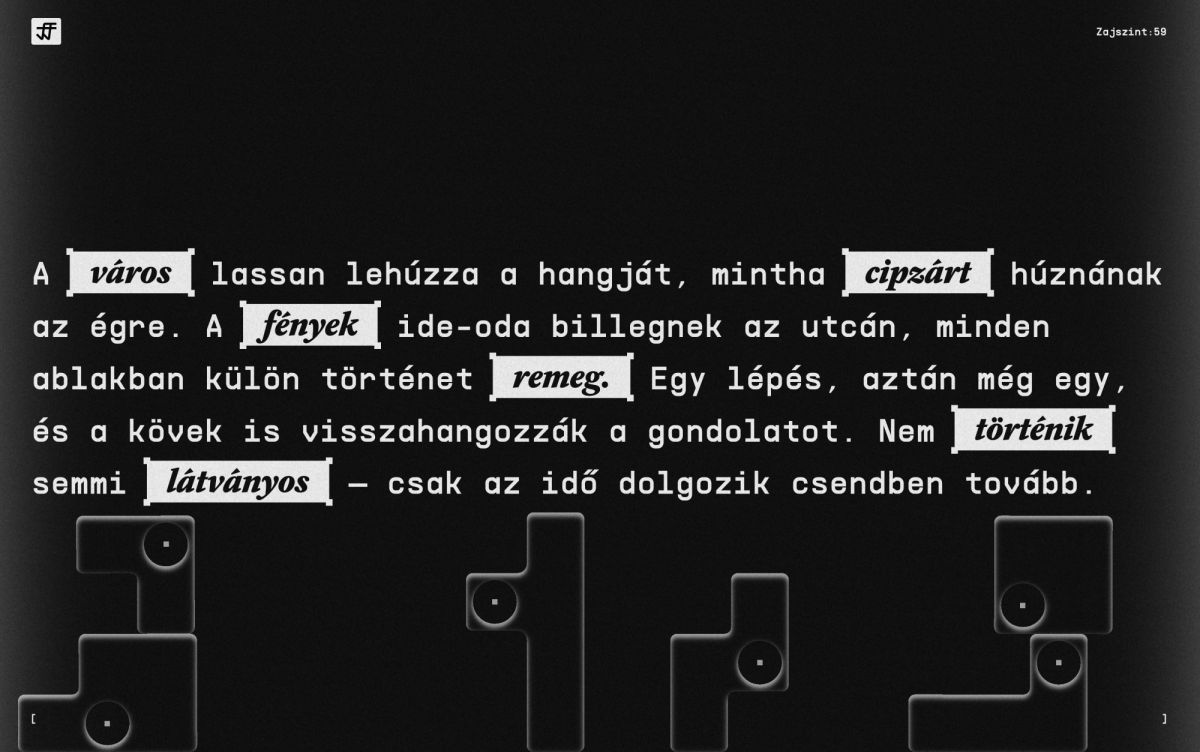
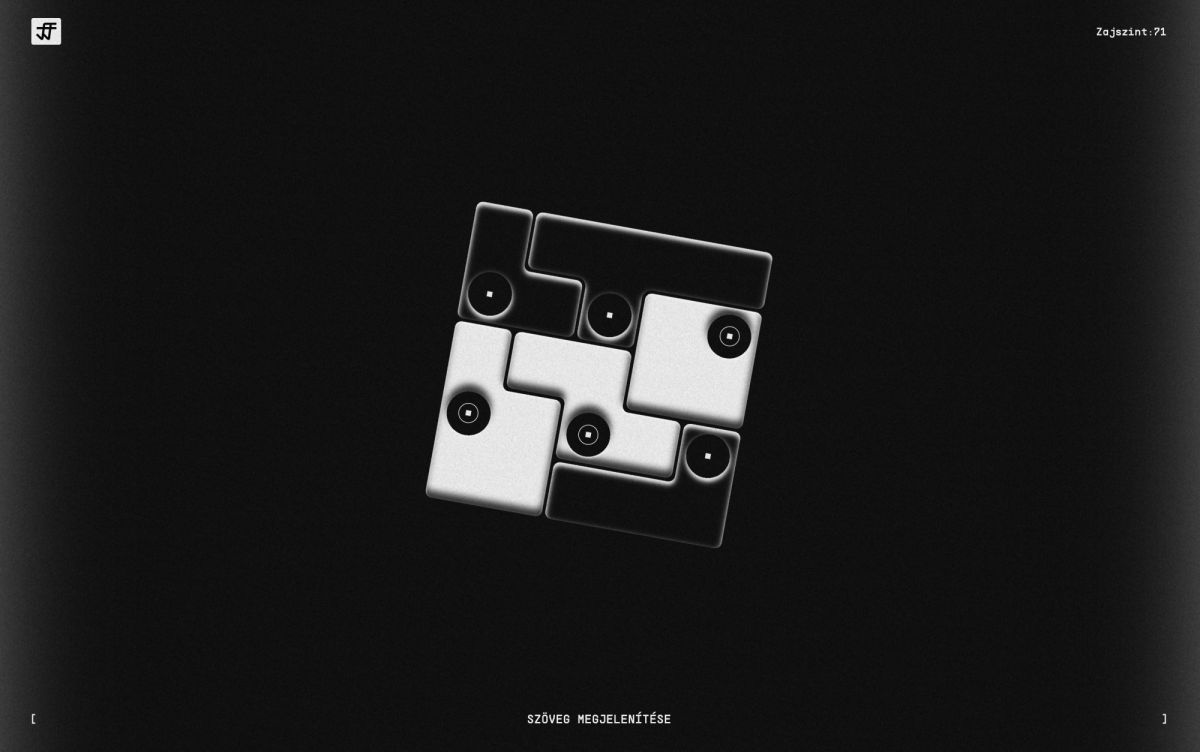
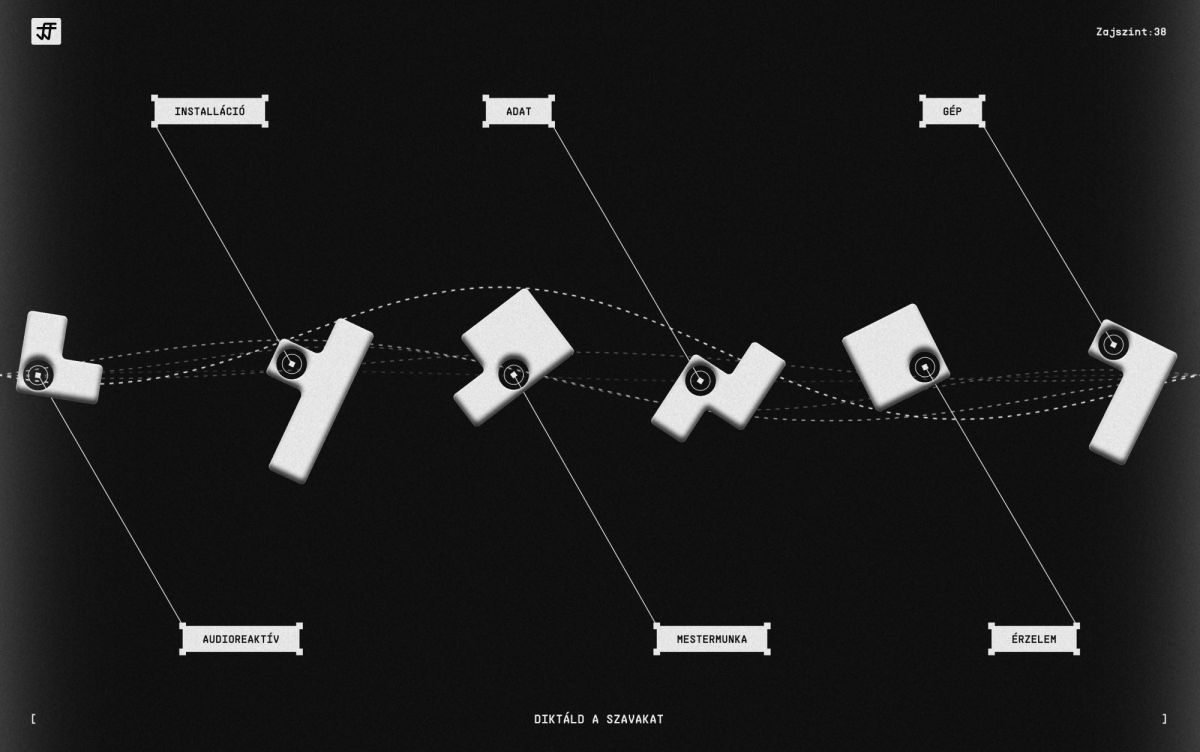
The audio-reactive installation Offset makes visible the aesthetics of machine fallibility. The viewer’s expressions are represented by floating, empty puzzle shapes, which are filled with content by words recognized by the algorithm. Based on a psychological model, the artificial intelligence connected to the system first reduces these words to data, then associates them with emotions, and finally transforms them into poetry. However, the machine is incapable of genuine perception: it can only infer the nature of emotions from patterns, inevitably distorting the original meaning. The assembling shapes give rise to a continuously evolving, generative visual world.
Consultant: Balázs Faa

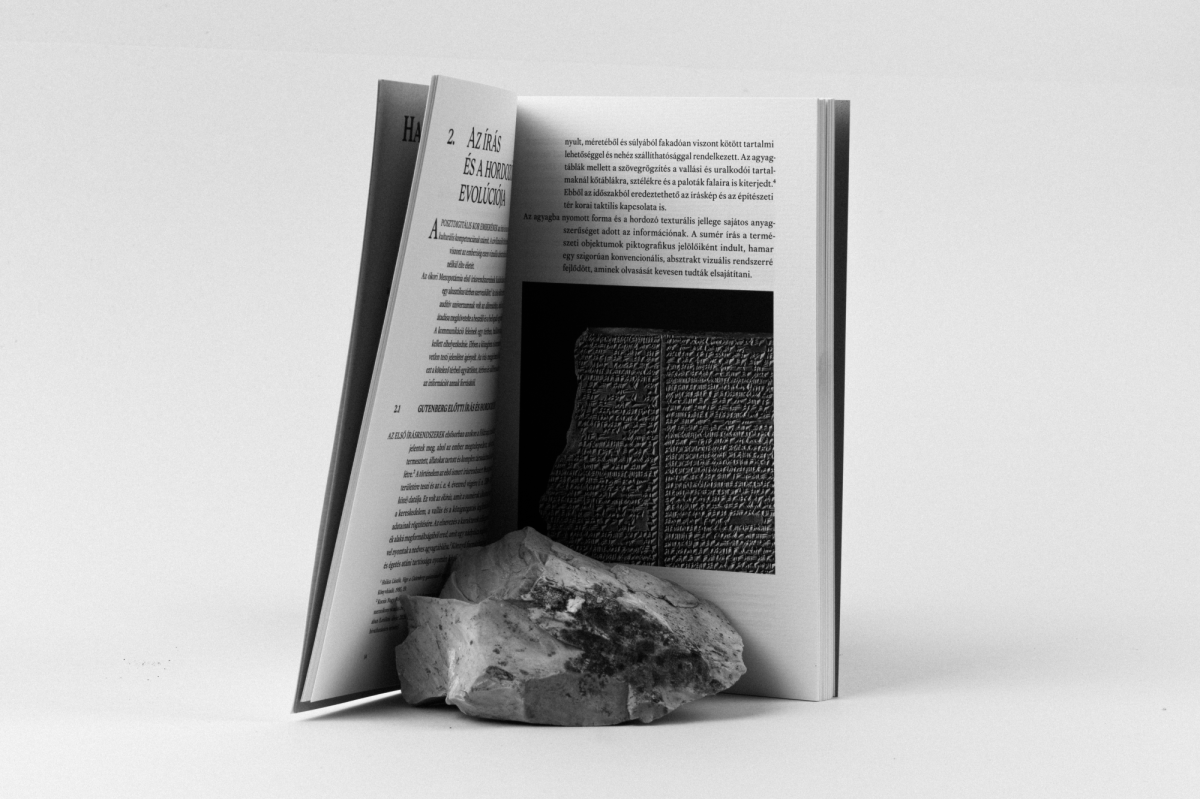
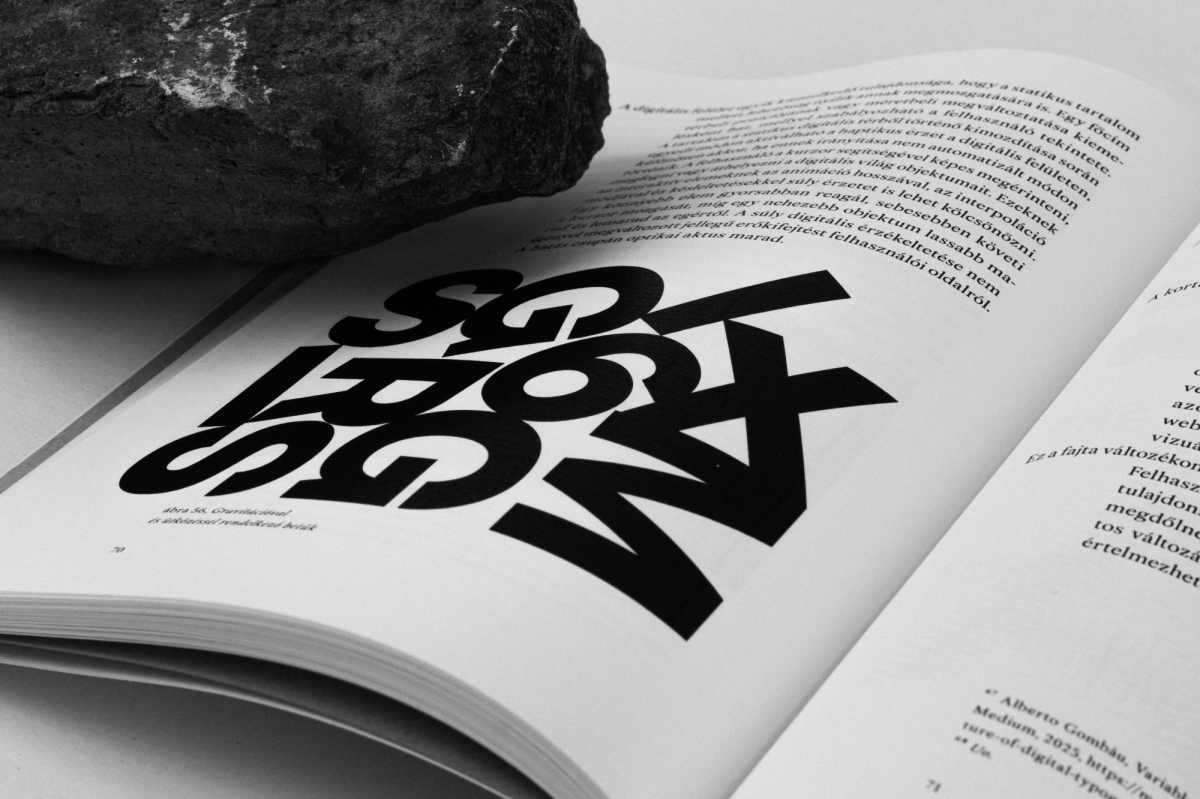

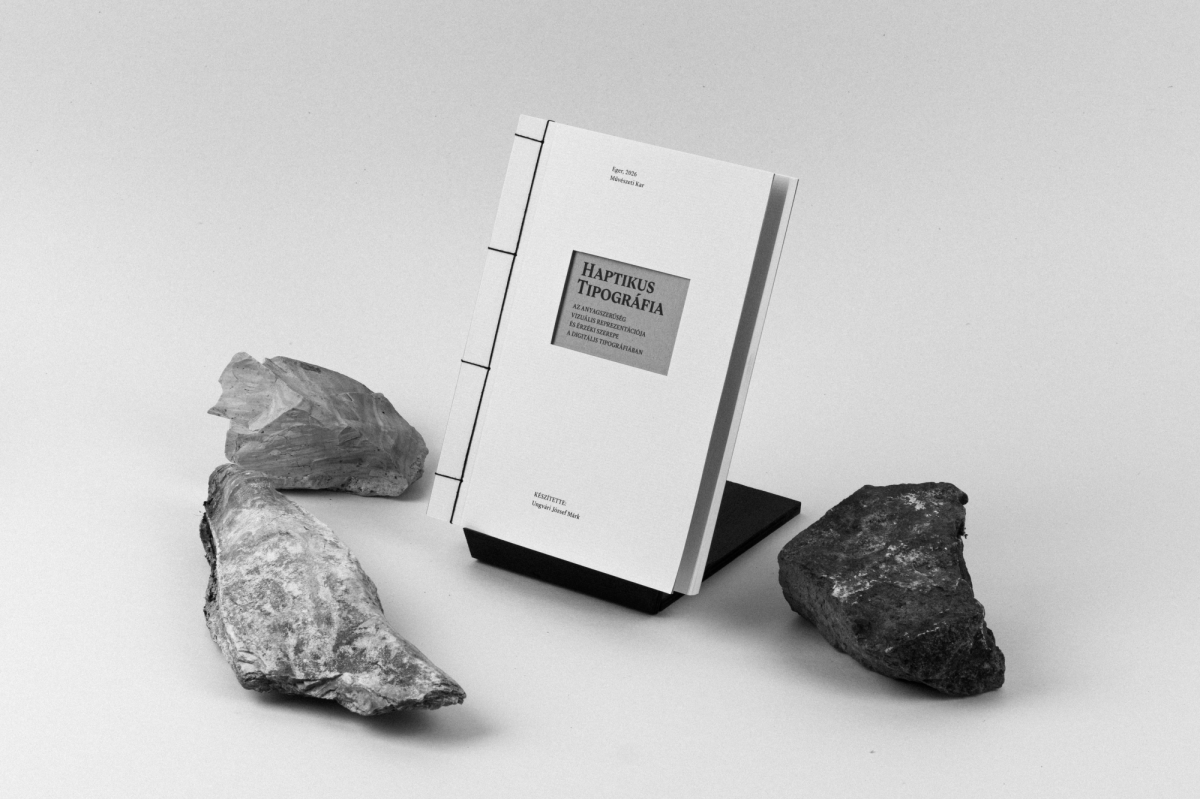


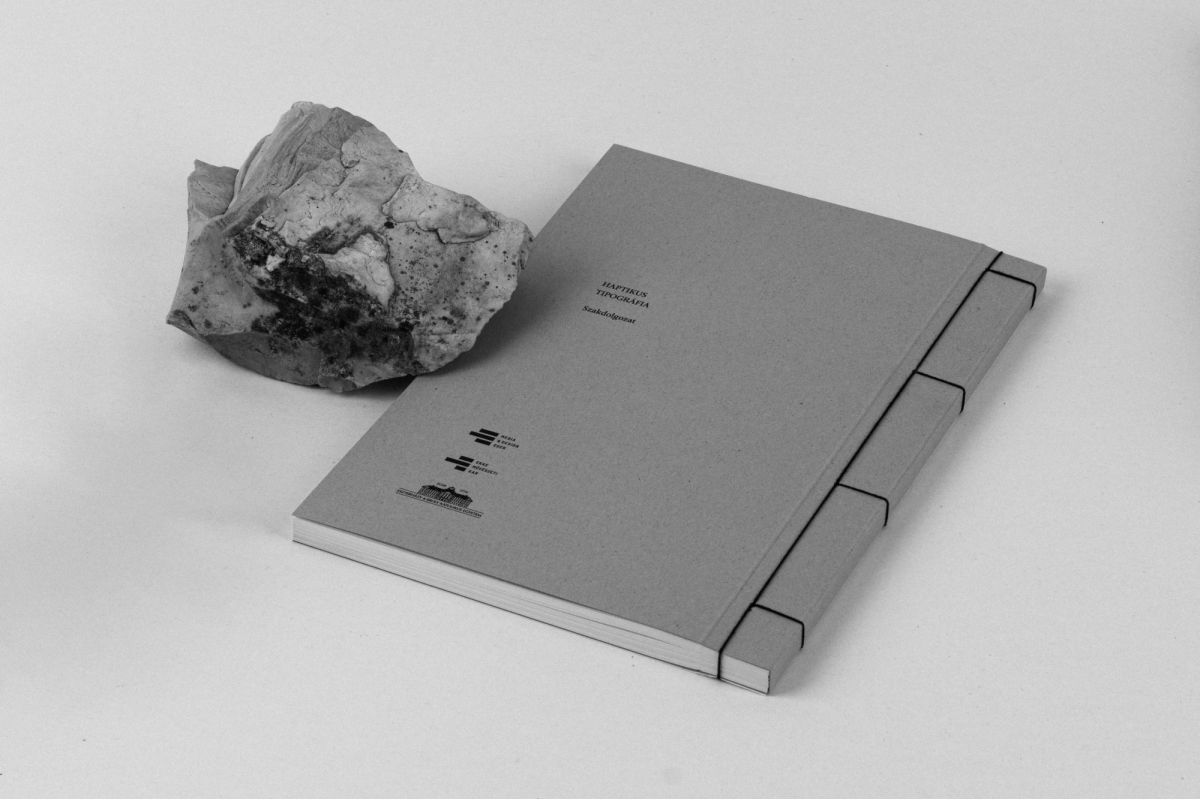
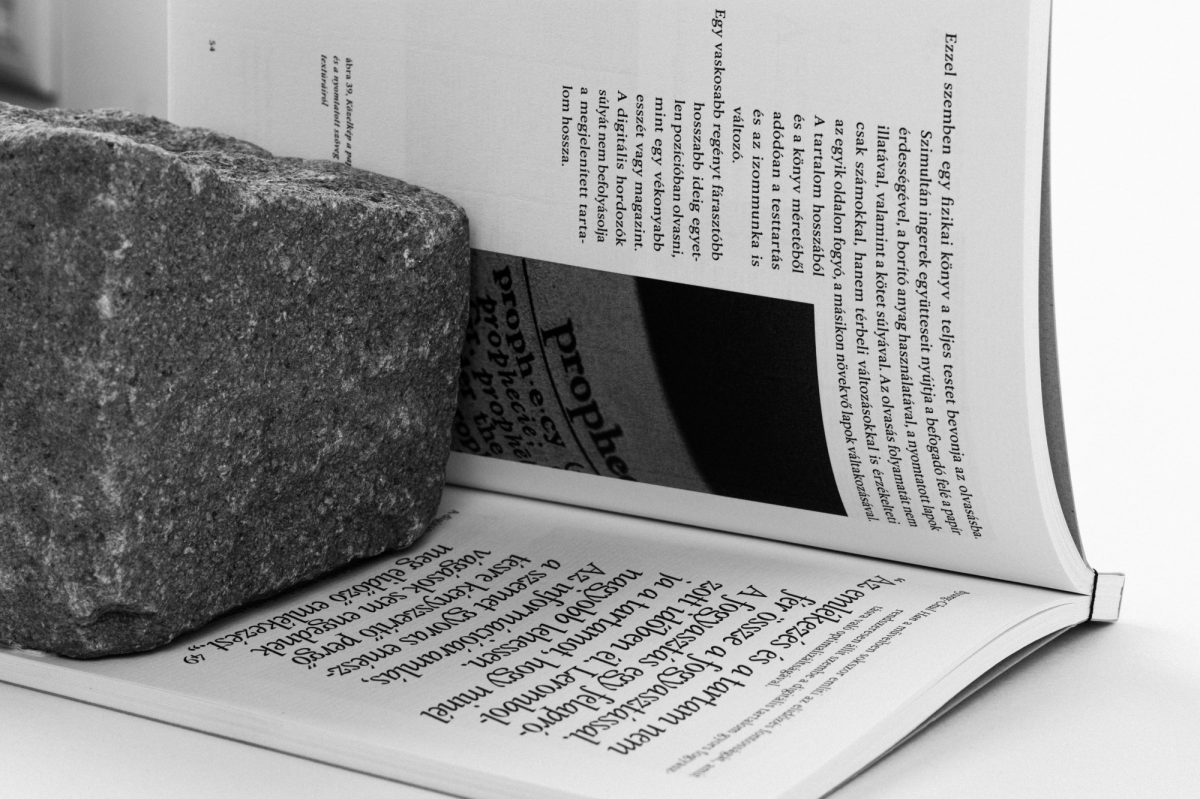
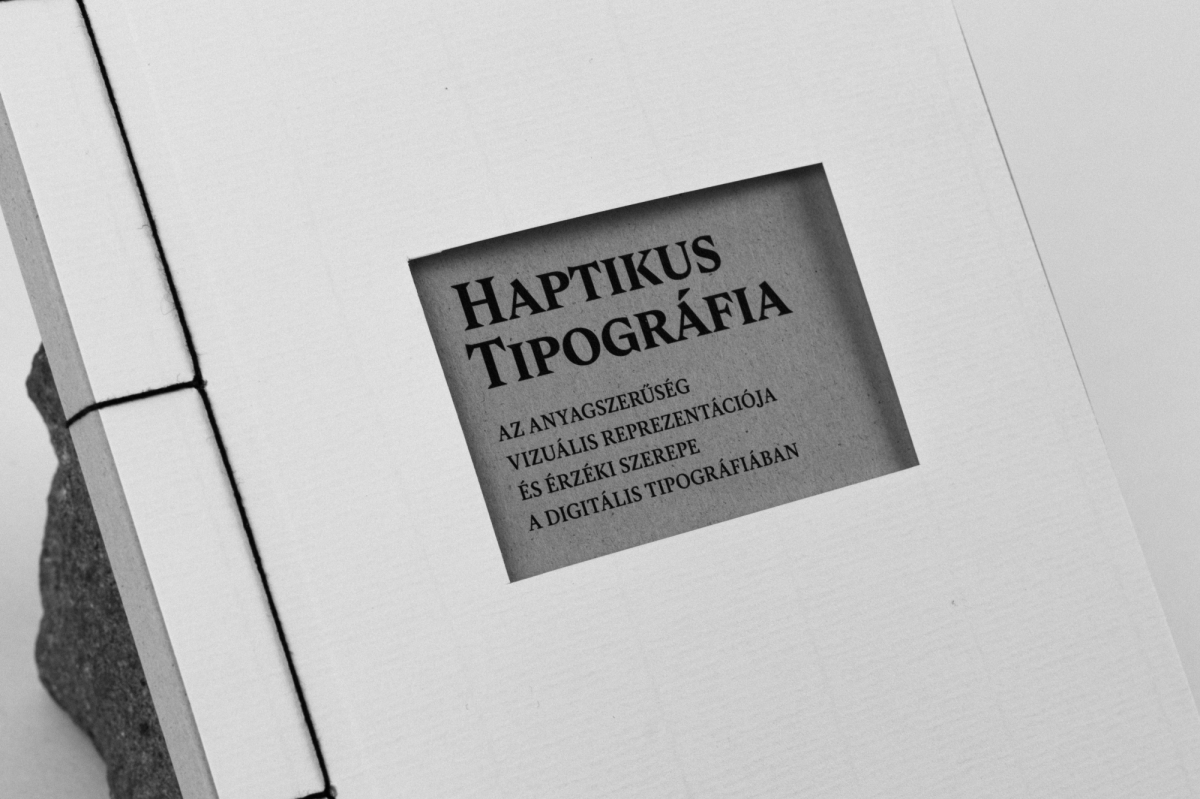
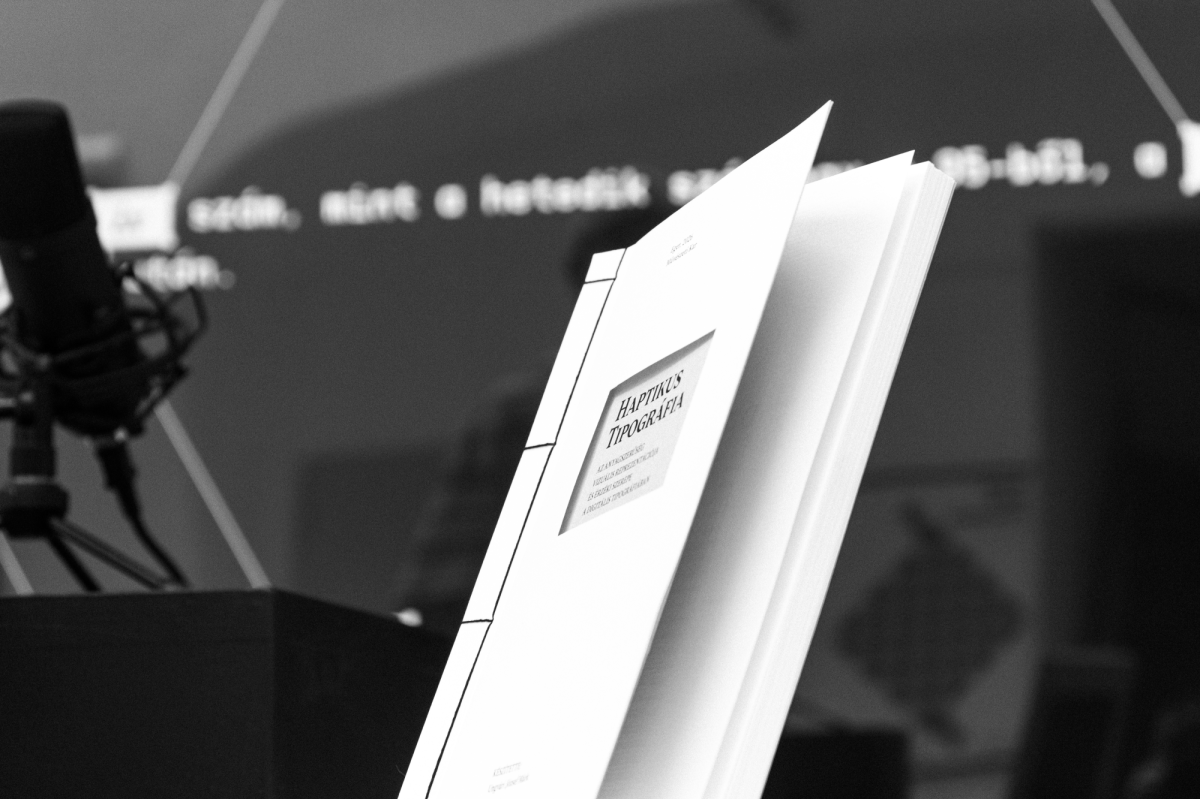
My thesis examines the role of typography and the sensory nature of reading across user interfaces and digital media. It is grounded in the premise that reading in print is a complex, multi-sensory experience, whereas accelerated content consumption on the uniform displays of digital devices reduces this richness primarily to a visual act. Within digital environments, typography can move beyond its function as a carrier of information by evoking materiality, thereby gaining deeper functional significance; I define this phenomenon as haptic typography. The study begins with an overview of the evolution of writing media across cultures, from the emergence of writing to the advent of early digital devices. It then traces the development of the first user interfaces and their visual transformations. The third section analyzes how different media influence reading by comparing the sensory qualities of digital and print formats. In the concluding part, I present the design strategies of haptic typography through contemporary artistic case studies and digital interfaces, and demonstrate how these findings are applied in the visual development of my own master’s project.
identity: György Orosz | webdsign: Balázs Faa | powered by: Exxite CMS